


L’arrosage du jardin à l’eau de pluie est une pratique courante en France, plébiscitée par près de la moitié des
Lire
Découvrez notre oasis virtuelle dédiée au jardinage, bricolage, décoration extérieure, plantes et animaux. Plongez dans un monde vert où la passion du jardin rencontre l'art du bricolage et de la décoration. Explorez des conseils pratiques pour embellir votre espace extérieur, cultiver des plantes exquises et créer des projets DIY inspirants. Que vous soyez un expert ou un novice, notre site offre une mine d'informations pour nourrir votre créativité et entretenir votre jardin avec amour. Renforcez votre lien avec la nature, apprenez à choisir les bonnes plantes, aménagez des espaces accueillants, et offrez à vos animaux de compagnie le meilleur environnement. Bienvenue dans votre destination jardin par excellence !
L’arrosage du jardin à l’eau de pluie est une pratique courante en France, plébiscitée par près de la moitié des
Lire
Derrière l’onde turquoise et limpide de votre piscine se cache un élément essentiel, souvent méconnu : la pompe de piscine.
Lire
Offrez-vous un havre de paix en plein air en construisant une terrasse en bois ! Ce guide complet vous accompagnera
Lire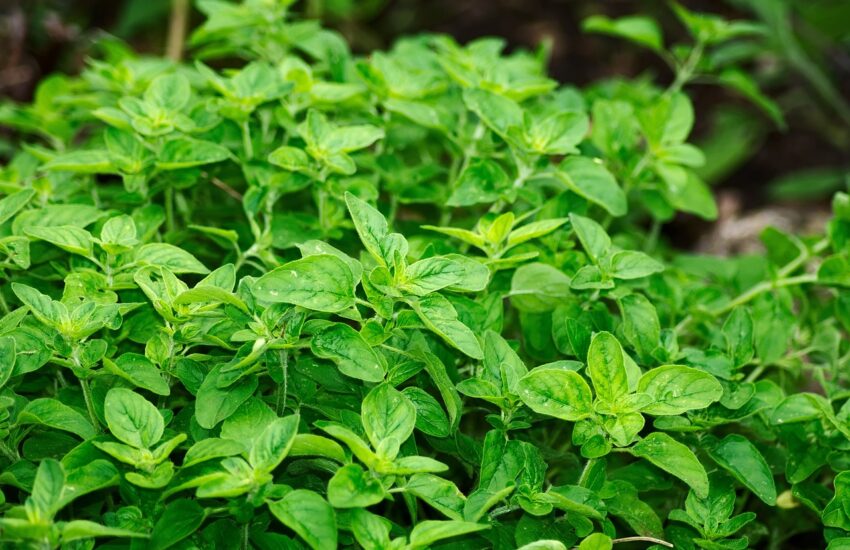
Imaginez-vous cueillant du basilic frais pour votre pesto, des brins de ciboulette pour agrémenter vos omelettes et du thym pour
Lire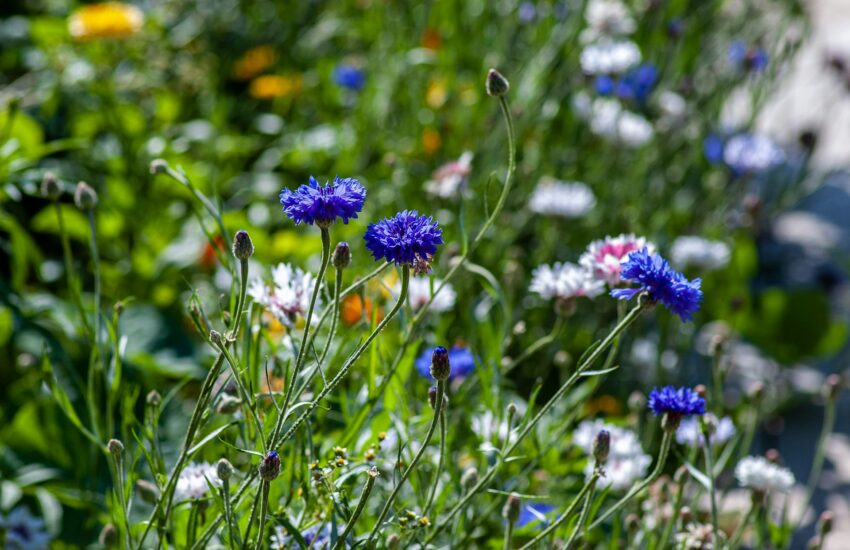
L’été est synonyme de soleil, de chaleur et de longues journées ensoleillées. C’est le moment idéal pour profiter de votre
Lire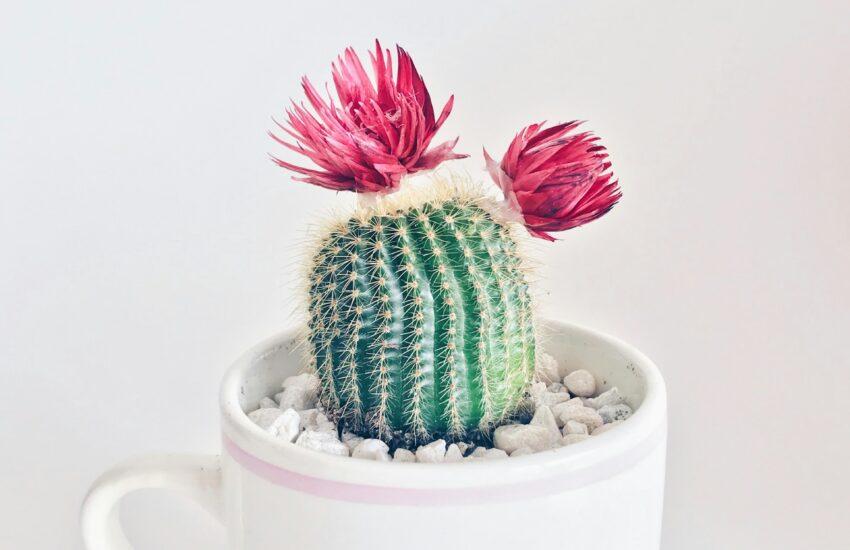
De plus en plus populaires, les cactus et plantes succulentes fascinent par leurs formes variées, leurs couleurs chatoyantes et leur
Lire
Les aérothermes à eau chaude sont des appareils qui permettent de chauffer ou de rafraîchir des locaux industriels ou tertiaires,
Lire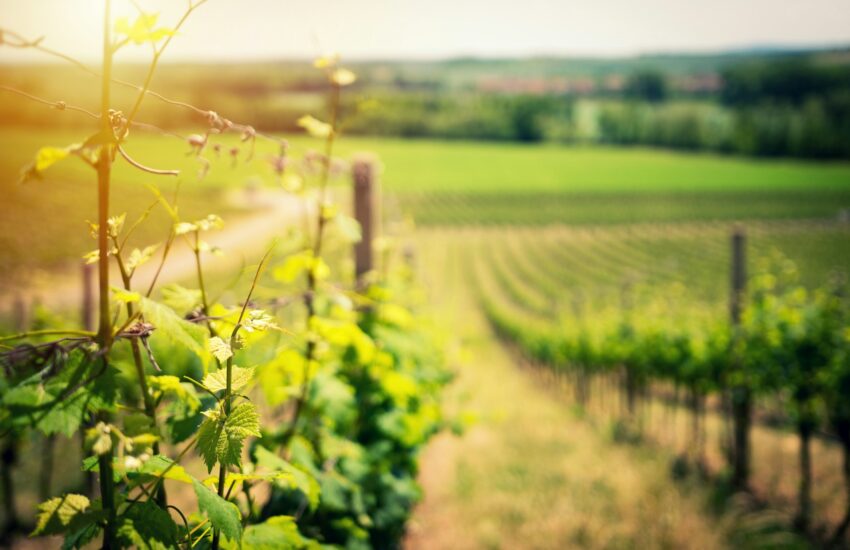
Les lianes fleuries sont des plantes grimpantes qui apportent de la couleur et du charme au jardin. Elles peuvent habiller
Lire
Vous êtes-vous déjà demandé comment rendre votre intérieur plus sain et plus agréable à vivre ? Saviez-vous que certaines plantes
Lire
Les fleurs sont les organes reproducteurs des plantes à fleurs, qui représentent environ 90% des espèces végétales terrestres. Pour se
Lire